
Guide
Selection Guide
Define pressure, flow, duty, and fit before quotation.
Open guidePlunger Pump Series groups the related models from the supplied materials so the buyer can compare like with like before opening the exact detail pages.
This series groups 12 model pages from the supplied materials, so the buyer can compare related models without mixing different families.
Representative models in this family include Plunger Pump KQZ1000, Plunger Pump KQZ2500, Plunger Pump KQZ2800, and Plunger Pump KQZ2800M. The family should be read as an entry point, not a final quotation answer.
Plunger Pump series cards and related specification pages.
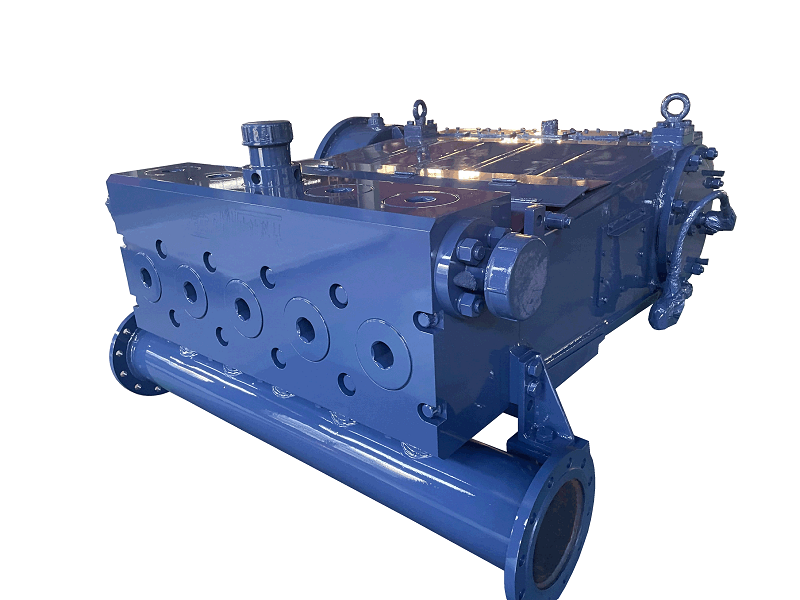
Plunger Pump KQZ1000: reciprocating, positive-displacement, single-acting, horizontal five-cylinder plunger pump; used for intermittent oil well operations such as acidizing, cementing, fracturing; maximum input power...
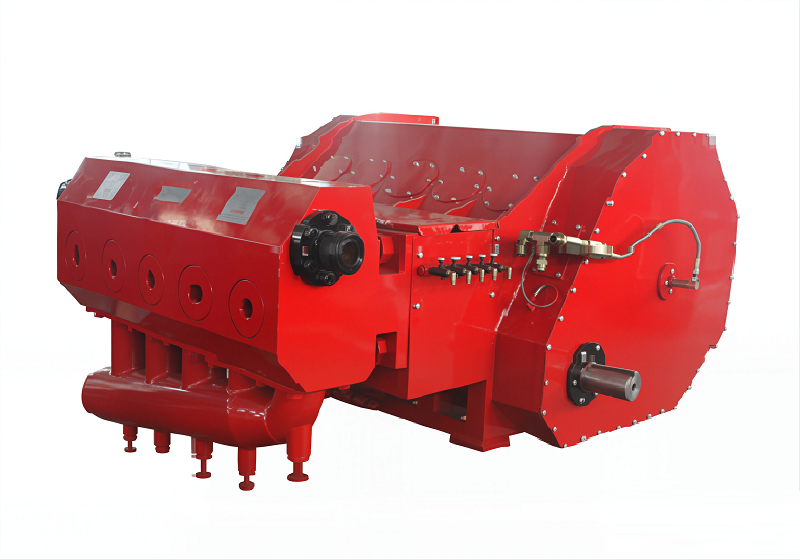
Plunger Pump KQZ2500: reciprocating, positive-displacement, single-acting, horizontal five-cylinder plunger pump; used for fracturing operations in intermittent oil well service; maximum input power 2,500 hp; multiple...
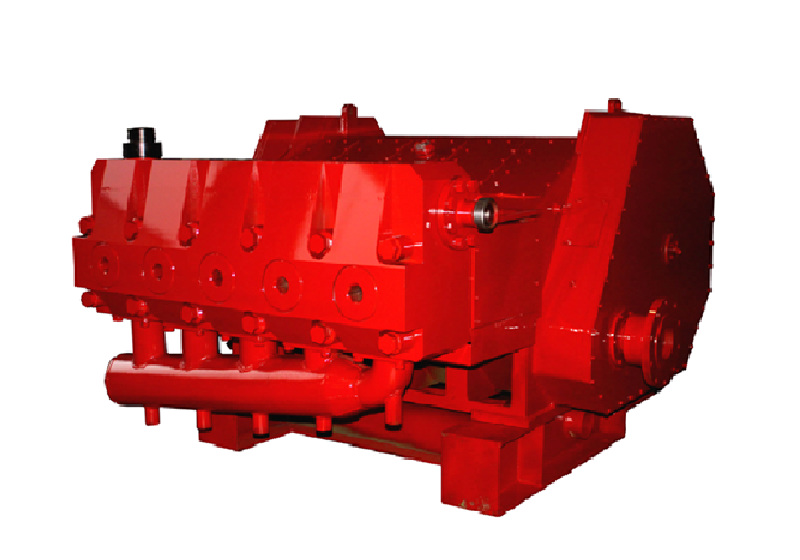
Plunger Pump KQZ2800: reciprocating, positive-displacement, single-acting, horizontal five-cylinder plunger pump; used for high‑power fracturing operations in intermittent oil well service; maximum input power 2,800 hp...
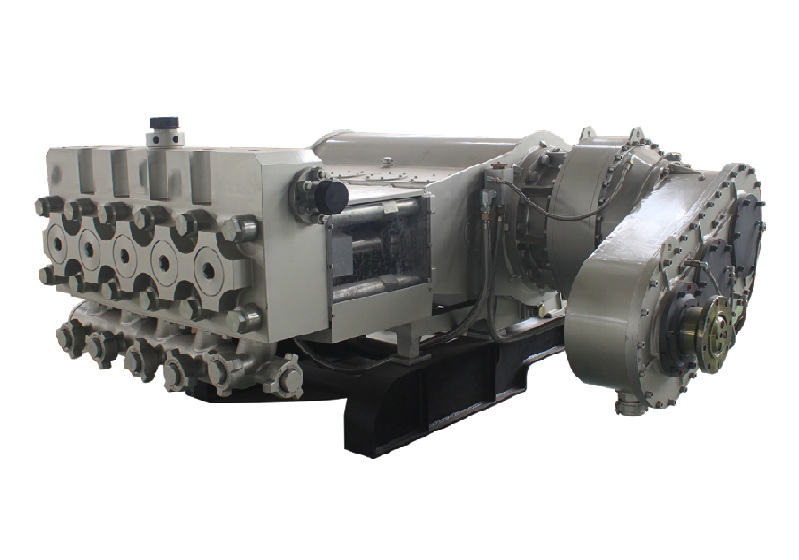
Plunger Pump KQZ2800M: used for high‑power fracturing operations in intermittent oil well service; maximum input power 2,800 hp; modular service-friendly layout; multiple size options for pressure and flow selection
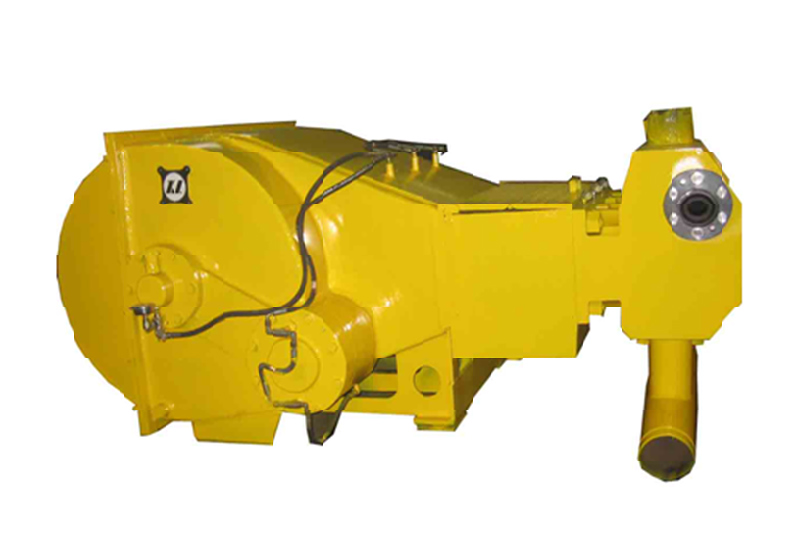
Plunger Pump KTZ1000: reciprocating, positive-displacement, single-acting, horizontal three-cylinder plunger pump; used for oil well operations such as acidizing, fracturing, well killing; maximum input power 1,000 hp...
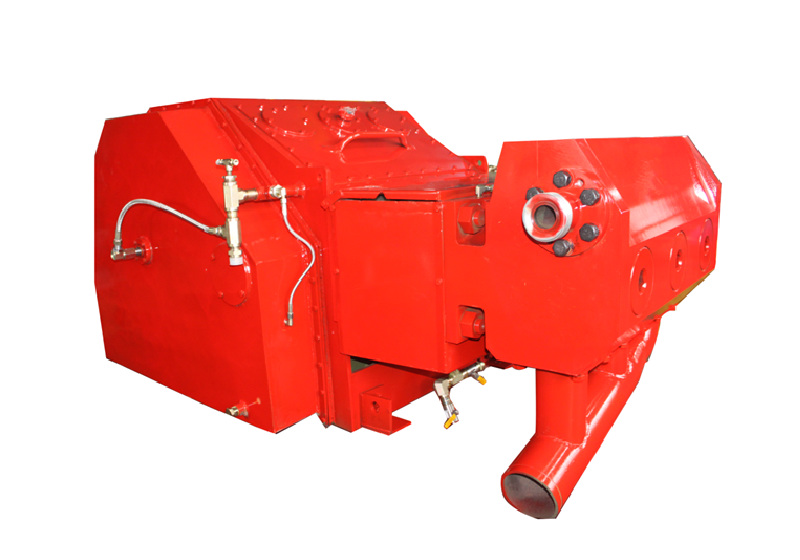
Plunger Pump KTZ1800: reciprocating, positive-displacement, single-acting, horizontal three-cylinder plunger pump; used for intermittent oil well operations such as acidizing, fracturing, well killing; maximum input...
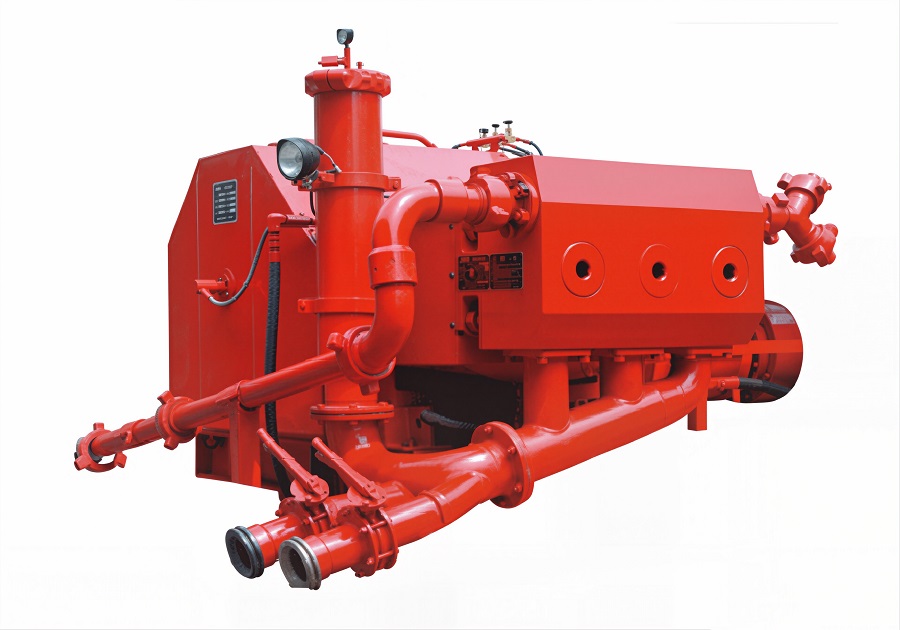
Plunger Pump KTZ2000: reciprocating, positive-displacement, single-acting, horizontal three-cylinder plunger pump; used for intermittent oil well operations such as acidizing, fracturing, well killing; maximum input...
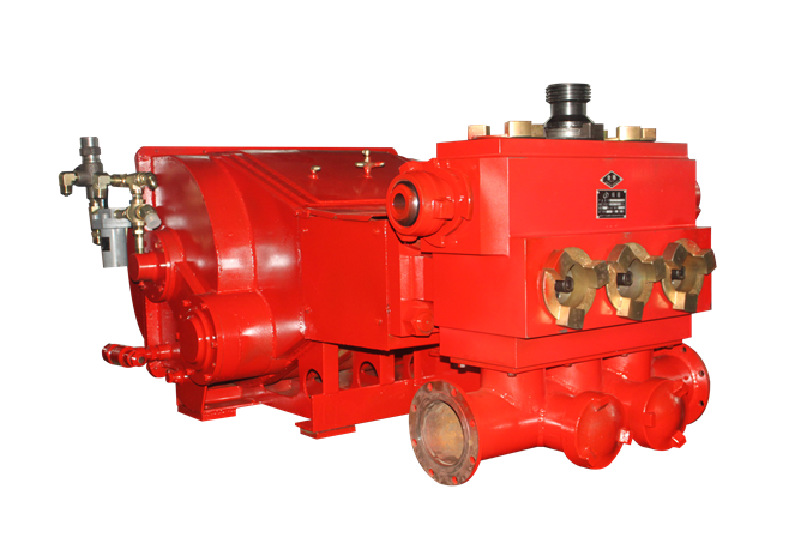
Plunger Pump KTZ350: reciprocating, positive-displacement, single-acting, horizontal three-cylinder plunger pump; used for intermittent oil well operations such as acidizing, cementing, water injection; maximum input...
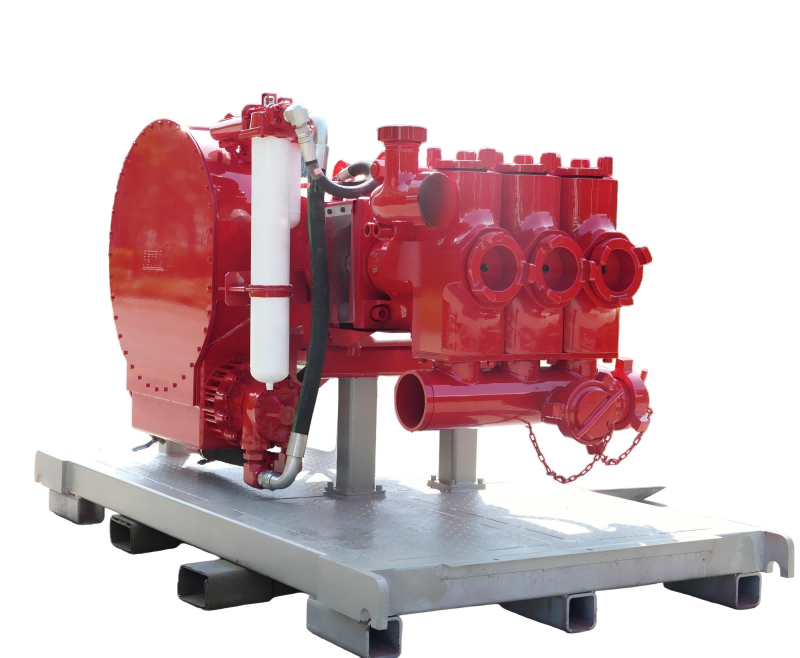
Plunger Pump KTZ400: reciprocating, positive-displacement, single-acting, horizontal three-cylinder plunger pump; used for intermittent oil well operations such as acidizing, cementing, fracturing; maximum input power...
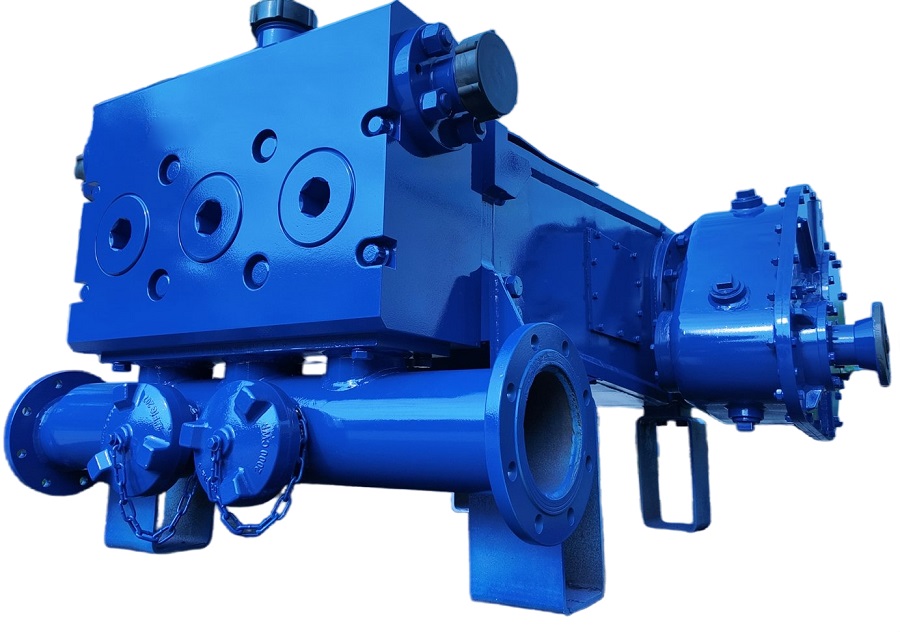
Plunger Pump KTZ600L: reciprocating, positive-displacement, single-acting, horizontal three-cylinder plunger pump; used for intermittent oil well operations such as acidizing, cementing, fracturing; maximum input power...
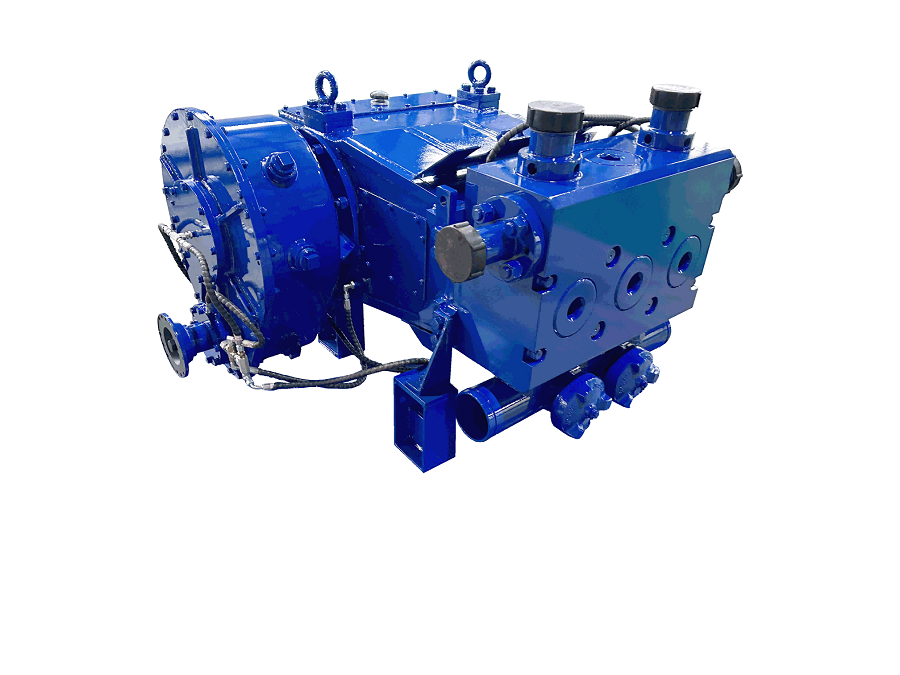
Plunger Pump KTZ600S: reciprocating, positive-displacement, single-acting, horizontal three-cylinder plunger pump; used for intermittent oil well operations such as acidizing, cementing, fracturing; maximum input power...
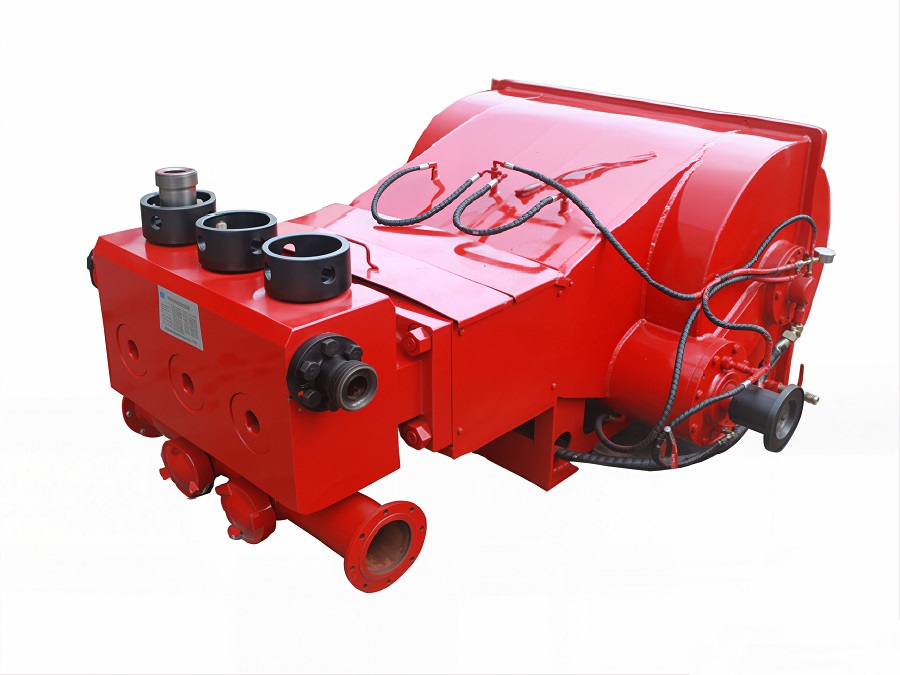
Plunger Pump KTZ900: reciprocating, positive-displacement, single-acting, horizontal three-cylinder plunger pump; used for oil well operations such as acidizing, fracturing, mud injection; maximum input power 900 hp...
The series page should tell buyers whether the family belongs in the shortlist at all.
Plunger Pump Series keeps the related models in one branch so buyers can compare like with like instead of jumping between unrelated product groups.
It works as a family-level filter for buyers who already know the job but still need to confirm the working window, the installation fit, and whether the page should lead to a standard model or a special catalog branch.
That makes the page useful for both search intent and commercial intent, while the product detail page keeps the exact technical decision on the table.
Use the series page to narrow the family before you open the exact product detail page.
The series page is not the final technical decision. It is the place where the buyer checks whether the family itself makes sense before comparing the exact model, the parameter table, and the service context.
When the model names look close, compare pressure, flow, installation space, and service access. If the family supports more than one application, keep the choice tied to the actual duty point instead of the general product label.
That approach keeps the page useful for searchers who already know the family and for buyers who are still deciding whether this series belongs in the short list at all.
Use this page to separate the family-level choice from the final model choice.
The series page helps the buyer decide whether the family is even worth shortlisting. Once that is clear, the exact model page and parameter table should do the final work.
For this family, the working notes remain tied to Plunger Pump Series and the actual model cards above.
When the application shifts, the selected model may need to shift too. That is why the series page should always stay connected to pressure, flow, installation space, and service access instead of repeating the same generic introduction.
A good series page should point the buyer toward the exact model and the next supporting page.
If you already have a short list, use the model cards above and compare the model pages side by side. The series page helps you stay inside the correct family, while the detail page confirms the actual operating limits and configuration.
For buyers who are still planning the project, the next step is usually an application guide or the selection guide. Those pages explain the duty point, the working medium, and the selection logic before the buyer asks for a quotation.
If the family contains both standard and special variants, the special catalog page should be used as the second filter before the final inquiry.
Open the pages that answer the next buyer question.
Define pressure, flow, duty, and fit before quotation.
Open guideMove from job context to the right product family.
Open guideCompare nearby families without mixing page types.
Open guideUse the short answers when the buyer needs a fast first pass.
Open guide